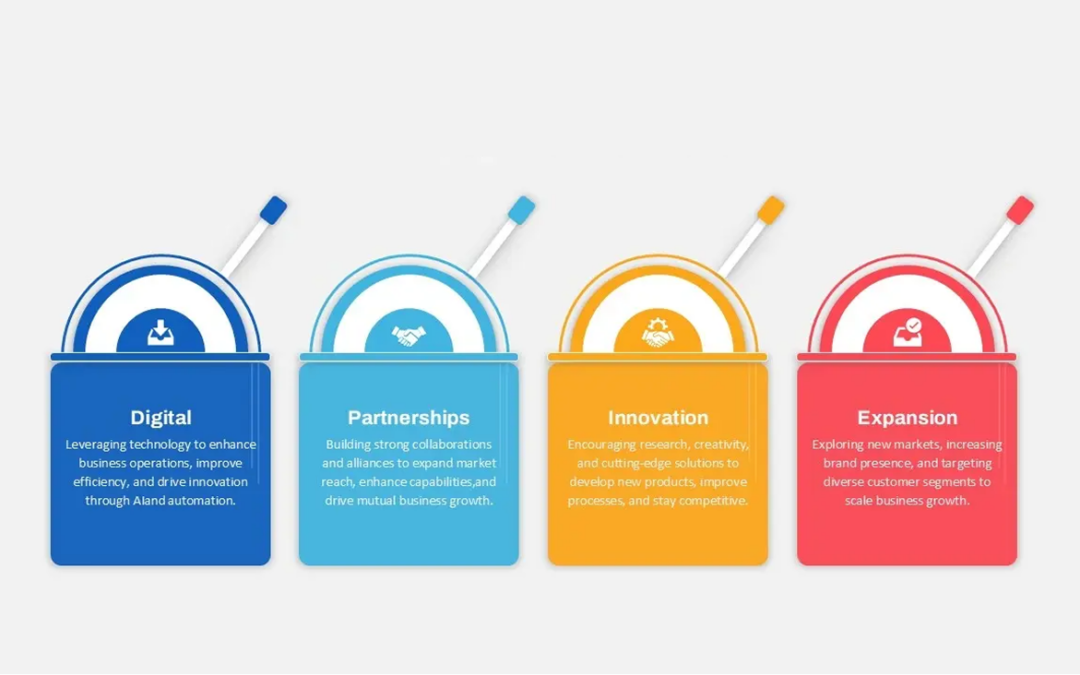

AI adoption in enterprises has reached 72% in 2024, which represents a huge jump from 50% over the last several years. This reality offers more than just a trend—it provides your competitive edge today. Your competitors already push boundaries, and 78% of companies use AI in at least one business function.
Enterprise AI solutions that deliver measurable results are essential for success. Enterprise AI makes the difference between small improvements and revolutionary changes. Companies that implement enterprise AI strategies cut manual processing time by 60-80% in document-heavy workflows. This allows teams to focus on valuable work rather than routine tasks. Enterprise AI applications speed up decision-making by 40-70%. When implemented properly, enterprise artificial intelligence achieves over 90% accuracy in critical business operations. These advantages help redefine what businesses can achieve.
What is Enterprise AI and How It Differs from Basic AI

Image Source: Stack AI
“There’s no question we are in an AI and data revolution, which means that we’re in a customer revolution and a business revolution. But it’s not as simple as taking all of your data and training a model with it. There’s data security, there’s access permissions, there’s sharing models that we have to honor.” — Clara Shih, CEO, Salesforce AI
Enterprise artificial intelligence is different from simple AI solutions in scope, complexity, and how it affects organizations. Businesses need to understand these differences when they move beyond limited AI implementations toward complete enterprise-scale solutions.
Definition of Enterprise AI vs Narrow AI
Enterprise AI is a sophisticated, organization-wide implementation of artificial intelligence technologies that combines smoothly with business processes and existing systems. Enterprise AI delivers lasting business value through complete, interconnected solutions rather than isolated applications.
Narrow AI (also known as Weak AI) performs specific, limited tasks without broader contextual understanding. IBM explains, “Narrow AI can be trained to perform a single or narrow task, often far faster and better than a human mind can. However, it can’t perform outside of its defined task”. Voice assistants like Siri, Alexa, and sophisticated chatbots like ChatGPT serve specific functions without true contextual awareness.
This difference becomes especially important when organizations advance in their AI development. Deloitte’s research shows that about one-third (34%) of surveyed organizations use AI to transform their business deeply by creating new products and services or reinventing core processes. Another third (30%) redesign key processes around AI. The remaining organizations (37%) use AI more superficially and make minimal changes to existing processes.
Key Capabilities: Scalability, Integration, Governance
Scalability is the life-blood of enterprise AI solutions. Enterprise systems must handle big datasets and high workloads that large organizations typically generate. This need grows as data volumes increase and AI applications spread across functions and within business units.
Integration sets enterprise AI apart from simpler implementations. Enterprise solutions naturally connect with existing enterprise systems like ERP, HCM, CRM, and custom platforms. Organizations need this integration because they typically work with scattered data sources, legacy systems that don’t work together, and workflows full of exceptions and undocumented rules.
Governance serves as the third pillar of enterprise AI capabilities. Modelop points out that “AI governance enables organizations to scale their AI initiatives and operate in a way that is transparent, accountable, robust, safe, fair, compliant, and aligned with societal values”. Organizations achieve much greater business value when their senior leadership actively shapes AI governance instead of delegating this work to technical teams.
Why Simple AI Tools Fall Short in Large Organizations
Simple AI tools don’t meet enterprise needs for several reasons. They lack the security and compliance features that enterprise-level operations require. IBM states, “Organizations face severe risks to their brand reputation if their AI models are biased or unexplainable. They could also face government audits and millions in fines for failing to meet complex and changing regulatory requirements”.
Simple AI solutions don’t deal very well with the scale and complexity of enterprise environments. MIT’s study revealed that all but one of these custom AI projects fail to reach production, showing how hard it is to move from prototype to enterprise-wide implementation.
Simple AI tools work as standalone solutions rather than integrated parts of a broader ecosystem. Large organizations find this limiting because they need consistent cross-functional applications and data sharing.
Enterprise AI solutions fix these problems through purpose-built platforms that provide strong infrastructure, governance, and integration capabilities for organization-wide deployment. AWS notes that these solutions enable “higher AI model reuse between tasks rather than training a model from scratch each time there is a new problem or dataset”.
Core Technologies Powering Enterprise AI Solutions
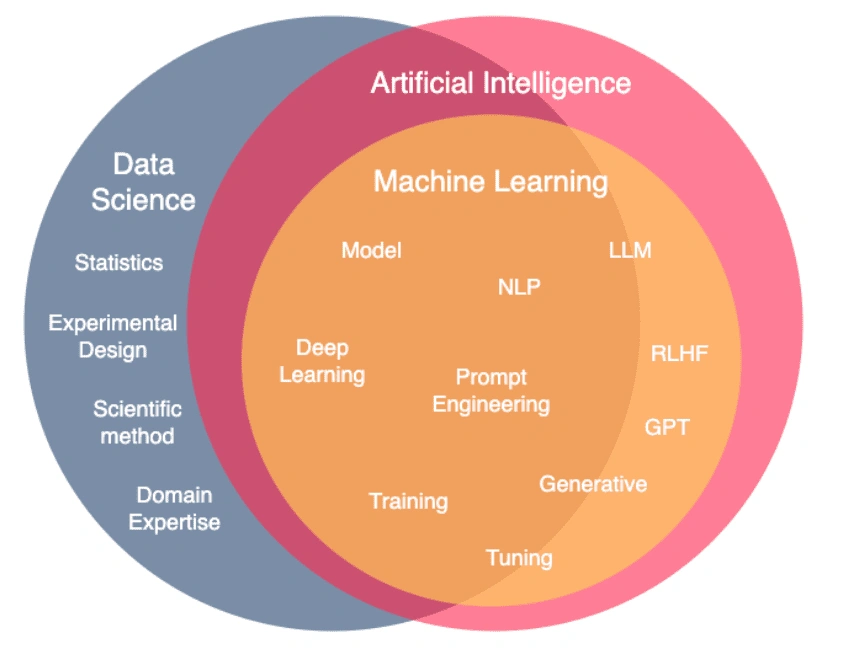
Image Source: phData
The enterprise artificial intelligence ecosystem relies on several advanced systems that work together to create business value. These core technologies have grown more powerful in recent years and give organizations unprecedented capabilities.
Machine Learning and Deep Learning in Enterprise Context
Machine learning revolutionizes enterprise operations through predictive capabilities and pattern recognition. Strategic ML implementation creates intelligent processing environments that optimize supply chains, manufacturing processes, logistics, and workforce management. Companies that use machine learning see measurable benefits in 97% of successful deployments. Deep learning—a specialized subset of machine learning—uses multi-layered neural networks to tackle complex problems. A typical deep neural network has eight layers and 60 million parameters, while modern versions can reach 200-400 million parameters.
McKinsey estimates that deep learning could generate between USD 3.50 trillion and USD 5.80 trillion in annual value. This represents 40% of all potential value analytics creates today. Real-world applications include predictive maintenance systems that analyze sensor data to spot equipment failures before they happen, which cuts operational costs.
Natural Language Processing for Business Communication
NLP gives computers the power to understand, interpret, and generate human language—a capability that revolutionizes enterprise communication. This technology combines computational linguistics with machine learning methods to break language into processable components. Fortune Business Insights expects the global NLP market to grow from USD 24.10 billion in 2023 to USD 112.28 billion by 2030.
Enterprise NLP systems go beyond simple comprehension to perform complex tasks like part-of-speech tagging, word sense disambiguation, sentiment analysis, named entity recognition, and speech recognition. These features automate customer support, translate content across languages, summarize lengthy documents, and extract value from unstructured data. One study showed that managers saved 50% of their time on survey analysis by using NLP-powered tools.
Generative AI for Content and Code Creation
Generative AI marks a significant leap forward in enterprise artificial intelligence. These systems create new content—text, images, video, code—from existing data using large language models. Companies use generative AI to speed up content production while maintaining quality. Teams save 12.2 hours per employee each week, and 63% of leading companies report higher annual revenue.
Code generation tools have evolved rapidly. Solutions like GitHub Copilot and Google’s Gemini offer sophisticated code assistance. These platforms study huge code repositories to create solutions based on natural language prompts. Teams that use AI for code generation work faster, reduce repetitive tasks, improve onboarding, and maintain consistent coding standards.
Agentic AI for Autonomous Decision-Making
Agentic AI leads the next wave of enterprise AI solutions. Unlike earlier technologies, these systems can plan, adapt, and execute processes to reach specific goals with minimal human oversight. They break down complex problems into sequential tasks and learn from previous actions.
Gartner predicts that by 2028, 33% of enterprise software will include agentic AI, and these systems will make 15% of daily work decisions. Organizations that implement agentic AI need less human supervision and gain advanced planning capabilities and automated optimization. By 2029, experts expect agentic AI to handle 80% of common customer service issues without human help, potentially cutting operational costs by 30%.
Enterprise AI Implementation Strategy: From Vision to Execution
A methodical plan and organization-wide arrangement are essential for executing an enterprise AI strategy successfully. Companies can invest heavily in AI, yet about 85% of AI projects never progress beyond the pilot stage. This highlights why we need a complete implementation plan.
Defining Business Objectives and Success Metrics
AI initiatives must connect with clear business goals instead of chasing technology. Companies should identify specific problems AI will solve and ways to measure success before implementation. Organizations that achieve the best results from AI look beyond efficiency. They also target development and innovation. The right metrics should track both technical performance and business results. These include project timelines, model performance measures, business value creation, team health indicators, and adoption rates.
Data Readiness and Governance Planning
The success of AI depends on your data foundation. Most organizations (62%) point to poor data governance as their main AI roadblock. Teams should run full data audits to check quality, availability, and accessibility before implementation. A complete data governance framework balances central oversight with local execution. This approach protects data while supporting both human and AI-driven decisions.
Building Cross-Functional AI Teams
AI implementation needs varied expertise beyond technical specialists. Studies show that teams using AI are three times more likely to create breakthrough innovations compared to traditional methods. The best team structure combines data scientists, engineers, product managers, project managers, and developers. Millennials often champion AI adoption – two-thirds of managers get AI-related questions from their teams weekly.
Running Pilot Programs Before Full Deployment
Organizations should test on a small scale before full deployment. Pilot programs help verify business value with minimal risk. Teams should pick high-impact use cases with clear metrics, set up appropriate models, and refine their approach step by step. Documentation of testing parameters and results must stay detailed. Note that single experiments rarely show AI’s full enterprise value – only 11% of companies have scaled generative AI across their operations.
Integration with Existing Systems and Workflows
AI implementation works best when it fits smoothly with existing infrastructure. Teams should find ways AI can boost current systems without disrupting the entire architecture. The focus should be on embedding AI into workflows since value comes from technology working within complex processes. This integration plan should include role-based access controls, information governance policies, and strong monitoring systems.
Real-World Enterprise AI Applications Across Industries

Image Source: Intelance
AI applications in businesses of all sizes deliver measurable outcomes through specialized implementations that address sector-specific challenges.
Customer Support Automation with AI Agents
AI customer service agents handle complex customer interactions on their own – from answering questions to processing returns. These intelligent systems get better through self-learning and stay available around the clock. Research shows 82% of service representatives say their customers ask for more than before. This creates a chance for AI to step in and help. Companies that use autonomous customer support have cut resolution times by almost 90%. They spend less money and make customers happier. Modern enterprise AI agents do more than basic chatbots – they check account details, fix problems, and know when to pass complex cases to humans.
Predictive Maintenance in Manufacturing
AI-powered predictive maintenance helps factories avoid expensive equipment breakdowns through live monitoring. Most factories lose 5% to 20% of their manufacturing capacity because machines break down unexpectedly. Sensor-equipped machinery and AI analytics help solve this problem. One aluminum producer’s AI tools warn about maintenance needs two weeks ahead. This helps them avoid 12 hours of unexpected downtime each time. BMW’s plant in Regensburg, Germany uses machine learning models that save over 500 minutes of disruption every year.
Fraud Detection and Risk Management in Finance
Financial institutions use artificial intelligence to spot fraud and manage risks. JP Morgan’s AI-powered fraud detection system has been running for over three years. It catches more fraud cases with fewer false alarms. These systems look at transaction patterns as they happen, catching 40% more fraud than old methods. AI risk management goes beyond fraud – it helps with credit decisions, following regulations, and finding cybersecurity weak spots.
Personalized Marketing in Retail
Retail businesses use AI to create individual-specific shopping experiences that increase revenue. Companies using AI-driven personalization can see up to 15% more revenue. These systems look at customer’s purchase history, browsing habits, and demographics to suggest products and promotions. About 69% of customers say they buy more from brands that offer individual-specific experiences. However, more than half feel current personalization efforts fall short of what they want.
Clinical Decision Support in Healthcare
AI solutions reshape healthcare through advanced clinical decision support systems (AI-CDSS). These platforms analyze patient data and medical images to improve diagnosis accuracy and treatment plans. To cite an instance, Google Health’s AI system achieved 94.6% sensitivity in breast cancer detection, while human radiologists reached 88.0%. Notwithstanding that, healthcare providers point to unclear algorithms, lack of training, and ethical issues as adoption barriers.
Enterprise-Scale Requirements for Sustainable AI Deployment
“I think trust comes from transparency and control. You want to see the datasets that these models have been trained on. You want to see how this model has been built, what kind of biases it includes.” — Aidan Gomez, Co-founder and CEO, Cohere
Enterprise AI deployment needs capabilities that are way beyond the reach and influence of smaller pilot projects. Organizations expanding their implementations need specific requirements to sustain long-term growth.
Security and Compliance: SOC 2, GDPR, HIPAA
A resilient infrastructure protects sensitive data and meets industry standards. SOC 2 certification stands as the gold standard in enterprise AI deployments. It evaluates controls through five trust service criteria that are the foundations of AI security. Organizations handling European data must comply with GDPR principles of purpose limitation and data minimization. They also need case-by-case anonymity assessments. Healthcare implementations must meet HIPAA requirements. These include encryption at rest and in transit, complete audit logging, and strong access controls.
Scalability Across Departments and Data Volumes
Production costs become the first barrier after moving from proof of concept. This happens especially when training, tuning, and inference workloads need GPU capacity. Successful companies use GPU-as-a-Service approaches that automate allocation. These approaches enforce quotas and show resource utilization. They also implement Models-as-a-Service patterns with centralized common models behind APIs. Platform teams can manage permissions from a single control point.
User-Friendly Interfaces for Non-Technical Teams
AI tools for non-technical teams must prioritize ease of use. Studies show 90% of customers want responses within 10 minutes. This makes user-friendly AI platforms crucial to competitive customer service. Budget-friendly solutions provide straightforward ticket management. They offer 24/7 support capabilities and multilingual features through natural language processing.
Continuous Monitoring and Model Retraining
Organizations can build sustainable AI capabilities through continuous monitoring that shows enterprise-wide activity. Companies can detect sensitive data, malicious patterns, and policy violations early through centralized access controls and live evaluation of prompts and outputs. Automated processes detect data drift and trigger updates to prevent performance issues.
Conclusion
Enterprise artificial intelligence has become a key competitive advantage, moving beyond its role as just another tech trend. Our research shows that enterprise AI is different from simple AI solutions through its scalability, integration capabilities, and governance frameworks. These differences explain why 72% of enterprises have embraced AI in 2024. Companies recognize its ability to cut manual processing time by 60-80% and speed up decision-making cycles by 40-70%.
Sophisticated machine learning, natural language processing, generative AI, and the emerging field of agentic AI form the technological backbone that delivers these transformative results. Each technology fulfills specific business functions while working together to create detailed enterprise value. Organizations see the best results when these technologies line up with clear business objectives and strong implementation strategies.
We found that success with enterprise AI comes from careful planning, teamwork across departments, and smooth integration with existing systems. The biggest challenge appears during the shift from promising pilots to company-wide deployment. Statistics show that 85% of AI projects never move past experimental stages. Companies gain strategic advantage by avoiding this trap through proper data governance, skilled cross-functional teams, and careful system integration.
Ground applications showcase enterprise AI’s practical effects across industries. AI-powered customer support cuts resolution times by nearly 90%. Smart predictive maintenance prevents equipment failures that can get pricey. Fraud detection systems boost accuracy by 40%, while personalized marketing experiences drive revenue up by 15%. These results prove that enterprise AI delivers concrete benefits.
Long-term AI success depends on enterprise-scale requirements. Companies need detailed security protocols, expandable solutions across departments, user-friendly interfaces, and continuous monitoring systems. Even the most promising AI projects can fail at scale without these core elements.
Enterprise artificial intelligence transforms organizations that implement it strategically. Competitive advantage stems from understanding both the technical capabilities and implementation needs discussed in this piece. The shift from theory to practical implementation marks the start of your organization’s transformation – one that rewards those who direct it well. Stay updated on enterprise artificial intelligence advancements through our newsletter.